


Following the Geese: Beginning Kindergarten with Wonder
There is often a sense of urgency at the beginning of a school year: establishing routines, learning names, introducing expectations, and getting started on “the curriculum.” But in a Reggio-inspired kindergarten, we are reminded that before we can decide where our learning might go, we need to spend time getting to know the children who will shape it.
Our first days at the Douglass Ridley School have been full of this kind of noticing. We have been learning about one another—what makes us laugh, what captures our attention, what we wonder about, how we play, what we notice, and what we care about. We are beginning to build a classroom community where children’s ideas are taken seriously and where their questions can become invitations for collective inquiry.
When we first began brainstorming possibilities for an emergent curriculum, we wondered if we might begin with something familiar: perhaps an exploration of our school building, our school community, the teachers who work here, or even the question, “What is kindergarten?” These seemed like logical places to begin. And then, over our first four days together, the children showed us something entirely different.
The Muddy River. More specifically: the geese.
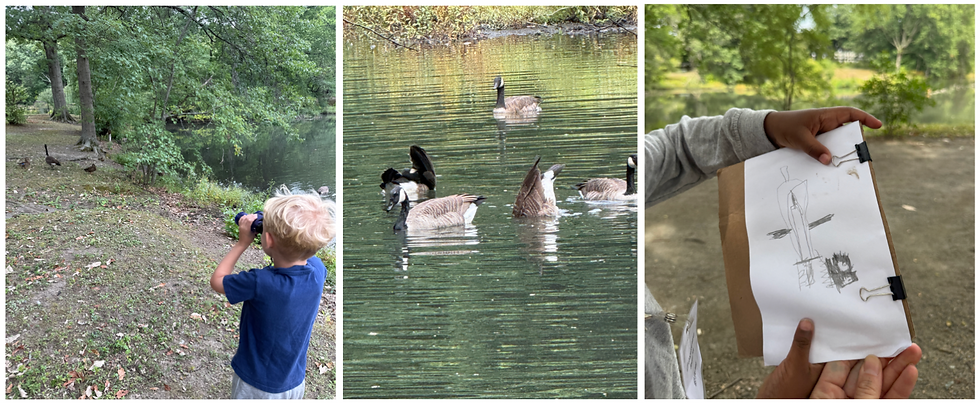
As we spent time outside, the wildlife living alongside us became a source of fascination. The children watched the geese bathing and began asking questions: Why do the geese bathe that way? What do they eat? What are they doing? One child offered a particularly intriguing hypothesis: perhaps the ducks and geese take care of each other and act like neighbors.
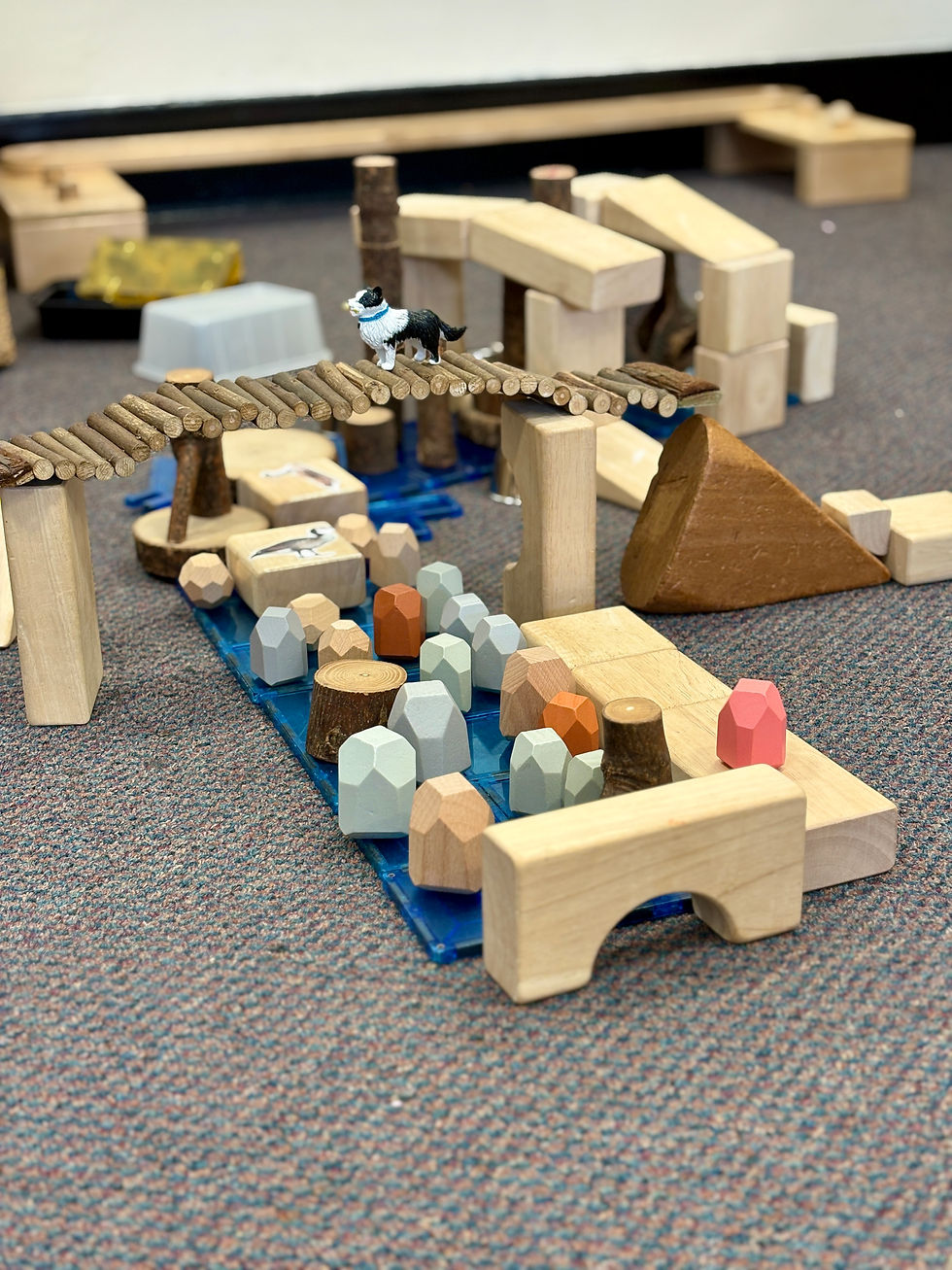
This unexpected thread excites us because it offers an opportunity to learn alongside the children. We don't yet know where the questions about geese, ducks, and the Muddy River will lead—and that is precisely what makes them exciting. Rather than arriving with all of the answers, we can become researchers too: observing more closely, asking questions, gathering information, revisiting our theories, and allowing new questions to emerge.
This is one of the possibilities of an emergent curriculum: the curriculum can begin with what matters to children.
It also gives us permission to resist the rush. We don't have to know exactly what our kindergarten curriculum will be on the first day of kindergarten. We can take the time to discover what is already happening around us and within our community.
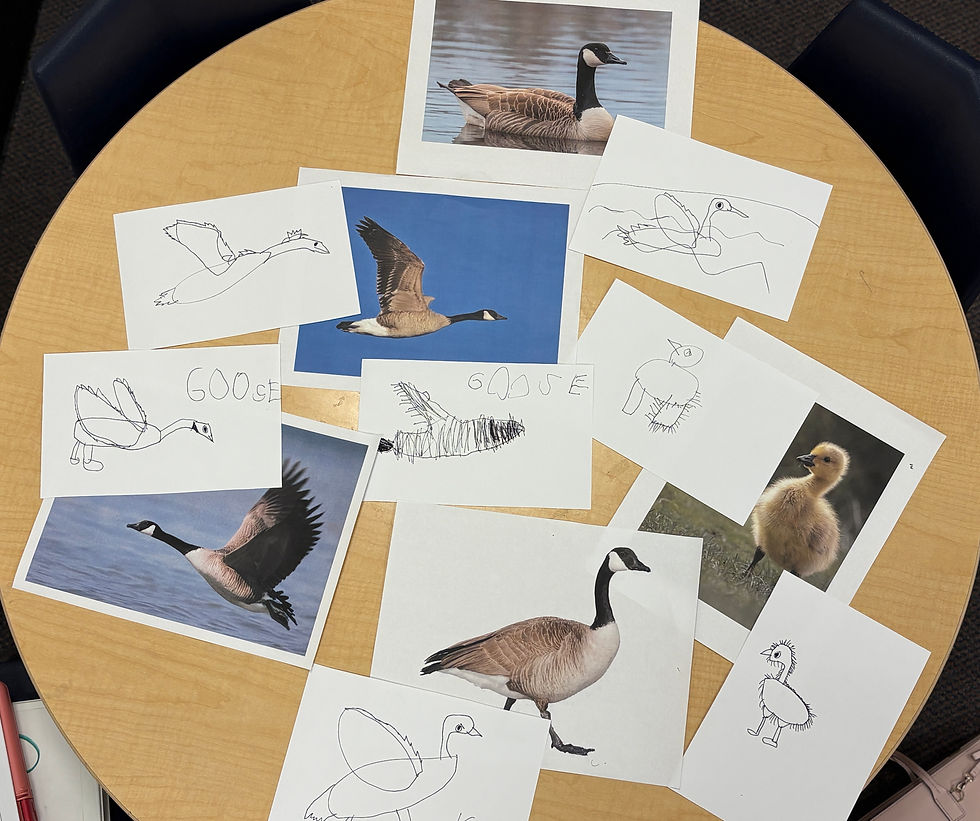
The geese may become an invitation to think about ecosystems and interdependence. What does it mean for living beings to rely on one another? What kinds of relationships exist between ducks, geese, plants, trees, water, and people? And what might these relationships help us notice about ourselves and our classroom community?
They might also invite us to develop a deeper relationship with place. What lives along the Muddy River? Who shares this place with us? What happens when we begin to know the trees, plants, birds, and other beings around us by paying sustained attention to them?
And, importantly, the children’s questions become a way of cultivating their genius. When we take children’s theories seriously—when a child's idea that ducks and geese might be “neighbors” becomes worthy of investigation—we communicate that children are capable of building the curriculum alongside us, that their ideas matter to us, and that their unique backgrounds and stories shape our community in important and meaningful ways.
So, for now, we are following the geese.
We are watching. Wondering. Researching. Listening.
And seeing what becomes possible when we give ourselves—and the children—the time to discover where kindergarten at DRS wants to go.

Comments